









The American Plate: A Deep Dive into US Vegetarian Food Culture
? From Moral Reform to Modern Movement: A Brief History
The roots of US vegetarianism run far deeper than the 1960s counterculture. It began in the 19th century as a moral and social reform movement, deeply intertwined with religious and health crusades.
Early Pioneers: Figures like Benjamin Franklin were early, if temporary, adopters of meat-free diets for frugality and health. The Bible Christian Church immigrants in the early 1800s were among the first organized vegetarian communities.
The Sanitarium Era: The late 19th century saw the rise of health reform movements. Figures like John Harvey Kellogg (of Battle Creek Sanitarium fame) heavily promoted vegetarian diets, innovating with plant-based foods like corn flakes and nut-based meat alternatives.
The Counterculture Shift: The 1960s and 70s saw a major resurgence. Fueled by Eastern philosophy, environmentalism, and a distrust of industrial food, vegetarianism became associated with hippie culture and natural foods, leading to the proliferation of co-ops and the introduction of ethnic plant-heavy cuisines like Indian and Thai.
? The New Mainstream: Statistics and Trends
Today, the plant-based movement is characterized by a high degree of integration into everyday life, largely propelled by flexitarians (those who occasionally eat vegetarian/vegan meals) and younger generations.
| Demographic Insight | Key Data Points |
| Vegetarian/Vegan ID | Approximately 4% of US adults identify as vegetarian and 1% as vegan (Gallup, 2023). |
| Plant-Forward Eating | Nearly 60% of Americans report always, sometimes, or usually eating vegetarian or vegan meals, showing a massive cultural shift beyond strict identity. |
| Driving Factors | Health benefits are the most cited reason for adopting or considering a meat-free diet, followed closely by animal welfare and environmental concerns. |
| Market Growth | The plant-based food market is expanding rapidly, with meat and dairy alternatives leading the charge. |
The Rise of Alternatives
The biggest cultural change has been the development of hyper-realistic plant-based substitutes. Companies like Beyond Meat and Impossible Foods have revolutionized the industry, making plant-based burgers, sausages, and chicken widely available in grocery stores and fast-food chains, making the transition easier for meat-eaters.
?️ Regional Vegetarian Specialties
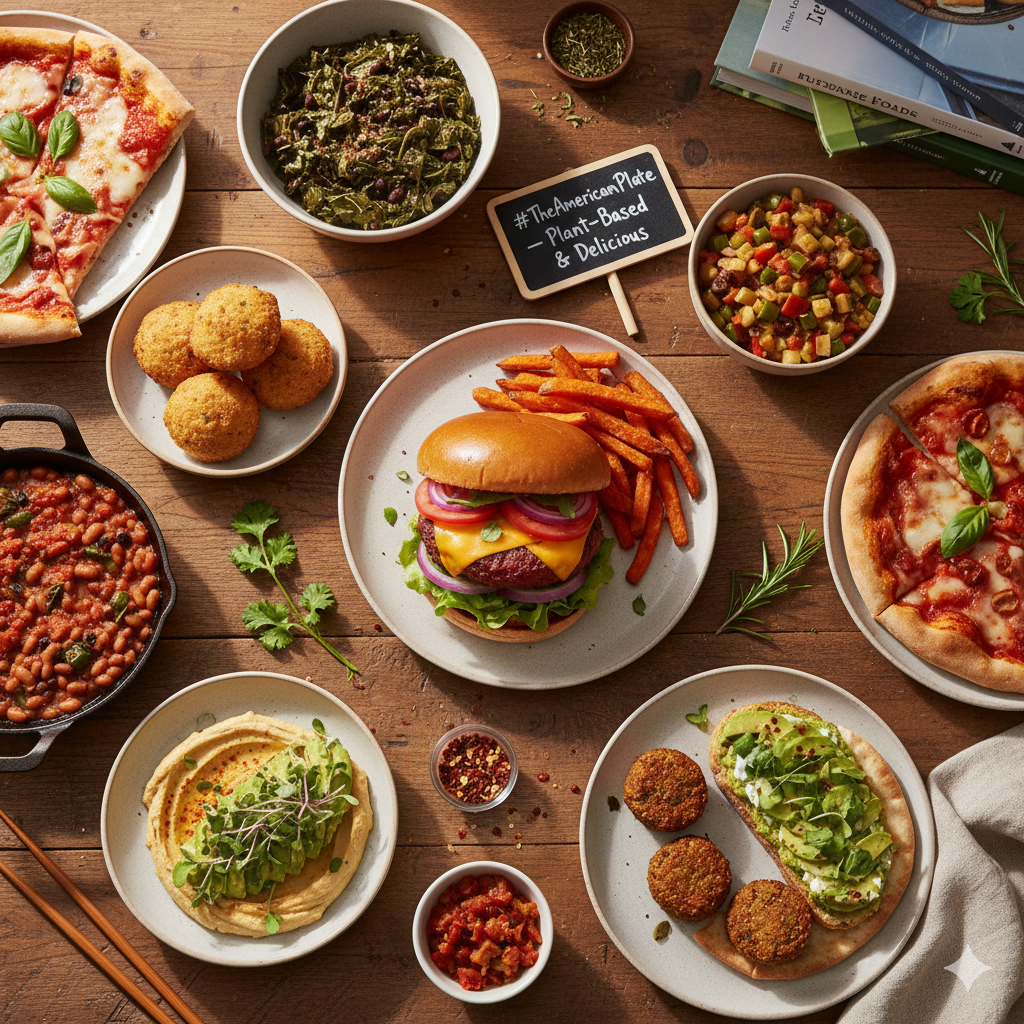
While the stereotype of American food centers on meat, many classic regional dishes are naturally vegetarian or easily adapted. The plant-based culture thrives by incorporating, not just substituting, diverse ethnic and regional cuisines.
☀️ The South and Southwest
Contrary to its BBQ reputation, the American South has a rich tradition of vegetable-heavy, African-influenced, and indigenous cooking:
Black-Eyed Peas and Greens: Collard greens, mustard greens, and black-eyed peas are staples, often prepared with smoked ham hock, but easily made vegetarian by using vegetable stock and smoked paprika.
Cornbread and Hushpuppies: Iconic cornmeal-based breads and side dishes.
Tex-Mex/Southwest: Dishes like Calabacitas (squash and corn stew) and bean-heavy burritos and tacos offer naturally robust vegetarian options.
?️ The Northeast and West Coast
New England Baked Beans: Historically vegetarian (though often flavored with pork fat today), these are a classic bean-based dish.
New York Style Pizza: A globally recognized vegetarian comfort food.
California Cuisine: Known for its emphasis on fresh, local produce, this region pioneered dishes like avocado toast and is a hub for high-end vegan restaurants and innovative plant-based baking.
Fusion and Diversity: Major coastal cities like New York, Los Angeles, and Seattle are melting pots where Indian (Dahl/Curries), East Asian (Tofu/Tempeh), and Middle Eastern (Hummus/Falafel) cuisines offer an endless variety of exciting vegetarian fare.
? Looking Ahead: The Future of the American Plate
The direction of the US food culture is clear: plant-forward. With scientific innovations in precision fermentation creating lab-grown proteins and dairy substitutes, and increased consumer demand for sustainable and healthy options, meatless eating is no longer a niche choice. It is an accessible, diverse, and delicious part of the American dining landscape.
The vegetarian food culture in the US is a powerful testament to how moral and cultural beliefs can drive fundamental changes in what we eat and how we define our national cuisine.
Recent Posts

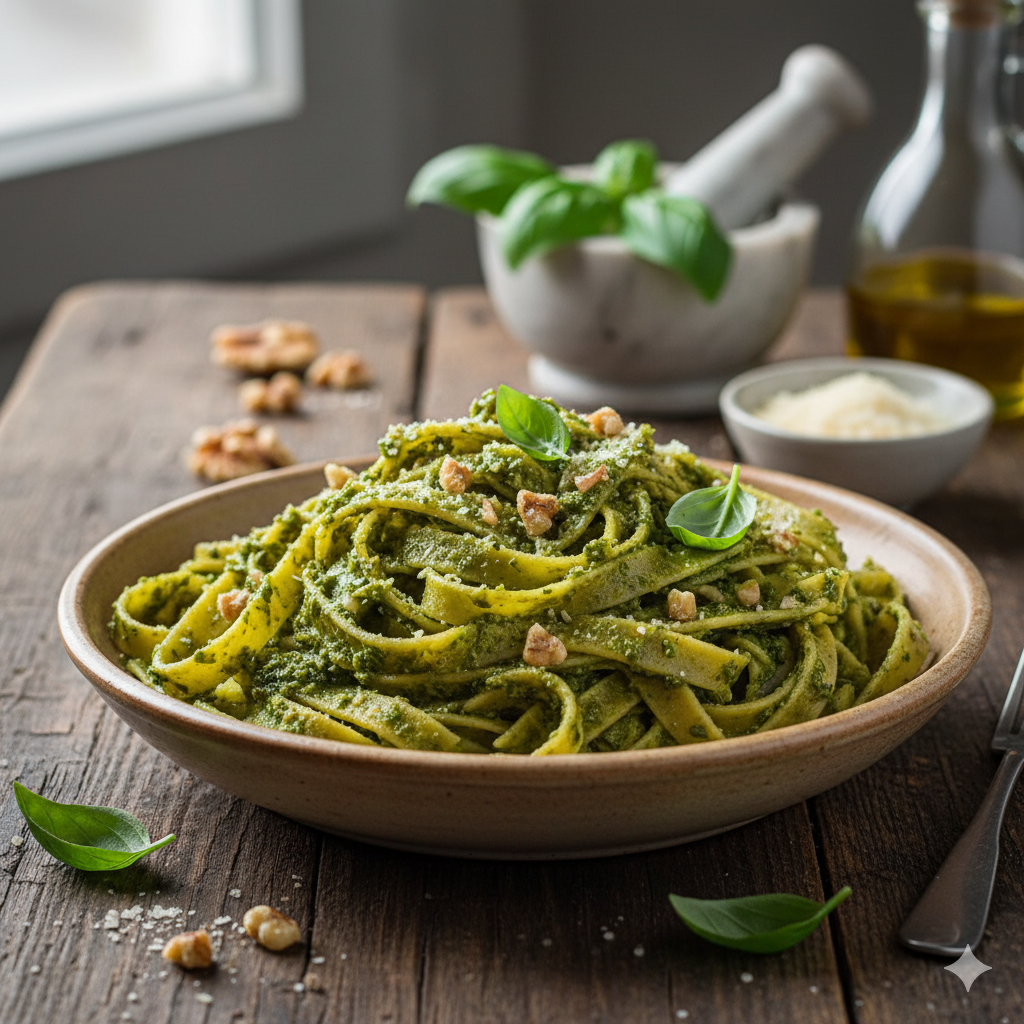
Pesto's Cozy Cousin: Creamy Tagliatelle with Toasted Walnut Sauce

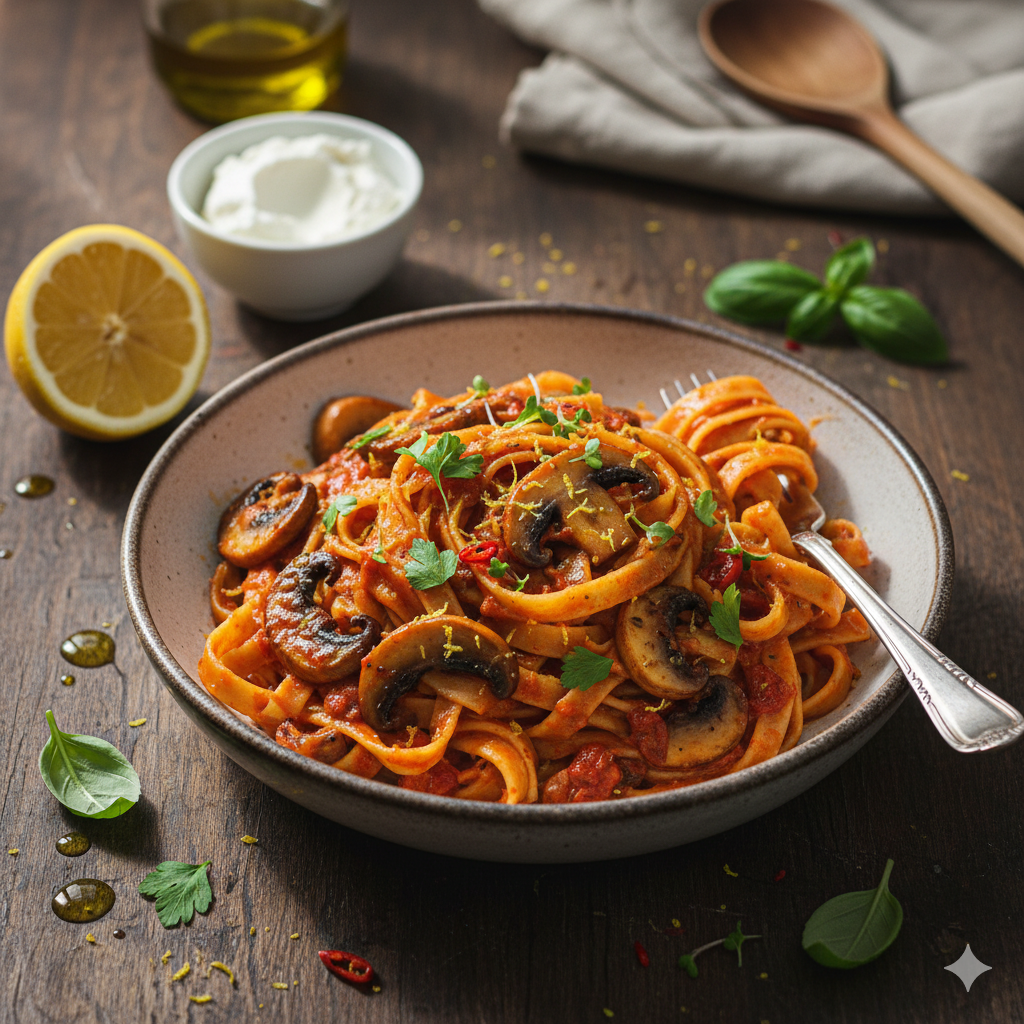
Creamy Tomato & Mushroom Tagliatelle: Your New Go-To Weeknight Hug in a Bowl

Transform Your Entrepreneurial Journey: Introducing the Seshta Mart AI Cafe Franchise
About Seshta Mart